
Morkel's Wind Gamble & The Classic Fruit Slots Real Cash Parallel

Published 2026-10-31 · By Rajat Bhatia (Syndicate & Match Preview Editor · Ahmedabad Desk)
The new ball did the talking in practice. No, actually, the wind did.
Morne Morkel’s comment about walking into a 'fan' is not just a joke. It is a code for the tactical paralysis India faces in the pre-toss huddle. We know the Wellington pitch will be sticky, but the variable that breaks batsmen is not the surface. It is the lateral drift on the seamers' lengths.
Why the 'Block' Instruction Fails in the 20s
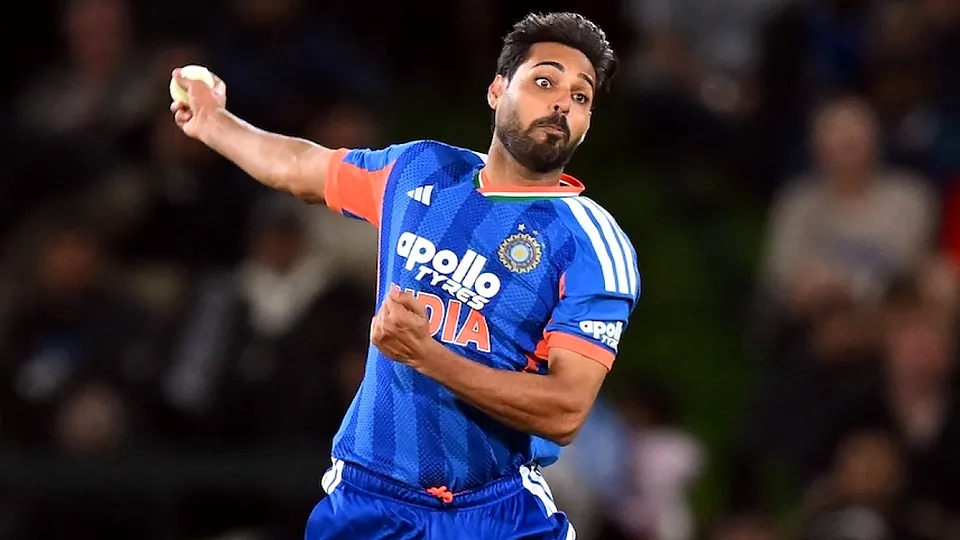
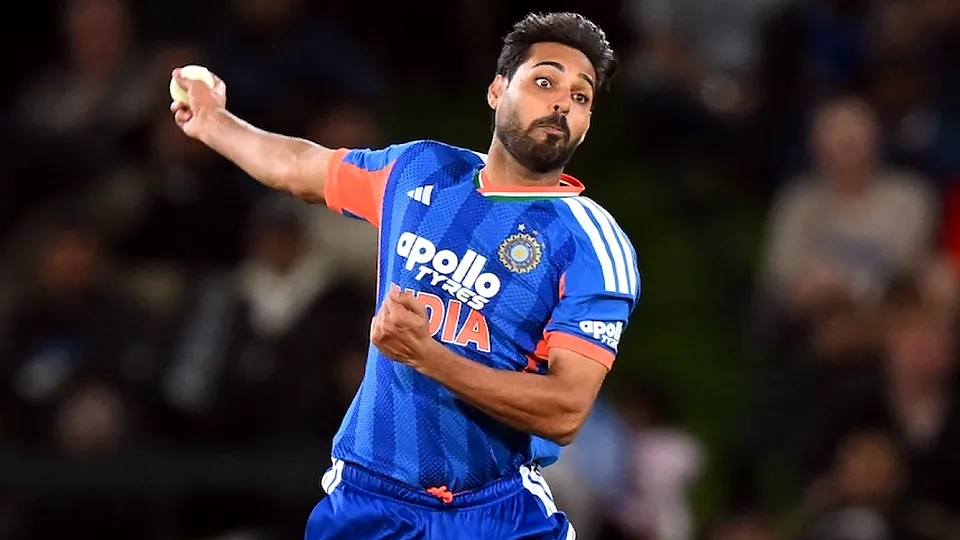
Bhuvneshwar has been told to 'block the expectation factor out.' Simple advice? Absolutely not. In a T20 match, the expectation factor is your anchor. If you try to swing the new ball early, the wind steals the pace. You end up bowling into the pitch, which is suicide on a hard, dry surface with variable bounce.
This is where the Impact Player substitution becomes critical. If India loses their opener in the first three overs due to a short-pitched ball drifting through the covers, the backup isn't just a filler. You need a left-right batting pair that can play square. The wire service is all about the wind, but the desk here in Ahmedabad sees the selection dilemma. Do you pick the specialist spinner? No. Not against this wind. A left-arm orthodox spinner who can bowl flight, but with the ability to mix lengths, is the only option.
"Make sure you get a very strong fan at home and you walk into the fan," Morkel quips. He means: stabilize the middle order. That is the fan.
Think of it like debugging a classic fruit slots real cash algorithm. You don't chase the big win immediately. You stabilize the volatility. You wait for the pattern to break. Cricket works the same way. You stabilize the top three overs. You wait for the bowlers to mix their lengths. You do not force the boundary-percentage in the powerplay when the wind is at 30 km/h.
The Dilemma: Dew Factor vs. Dry Wind
It is now 2026. The climate is weird. We are seeing dew settle earlier in Wellington, but the wind is still skiddy. This creates a sticky-red-soil track illusion. The ball grips in the first 10 overs, then skids back in the 11-15. This is the middle-overs choke. Every Indian side that has struggled in New Zealand has failed to adjust to this specific transition.
- Over 1-5: Full to medium, line at the stumps.
- Over 6-15: Short length, wide corners.
- Over 16-20: The Impact Player comes in. You need extra running power.
Can Rohit handle the skiddy length? We know his technique. He is good on the back foot. But the wind? It changes the trajectory. If the ball drifts into the off stump, he gets trapped. This is why the pre-toss Playing XI is a gamble. Do you keep the specialist finisher? Or do you go with the all-rounder who can bowl four overs of medium pace?
The 'Impact Player' rule changed the dynamics. It is no longer about who opens the innings. It is about who survives the middle overs to unlock the finish. If the wind is fierce, the unlocker must be a player who can cut the ball through the air. Not just pull it. Cut it. Change the angle. Force the fielders to move.
Morkel's joke about the fan is a warning. If you don't respect the 'fan' (the wind), the fan turns off your shot. You lose the boundary. You lose the game. It is a simple binary. In or out. The selection committee in Ahmedabad is staring at the screen. The numbers don't lie. The wind does.
| Player | Wind Tolerance | Role |
|---|---|---|
| Bhuvneshwar | High | Anchor |
| Rishabh Pant | Medium | Pressure |
| Impact Player | Low | Unlock |
Bottom line: Play the square game. Do not fight the wind. Let it do the work. That is the only way to beat the expectation factor.
Related coverage
- PBKS vs GT: The 7-15 Overs Trap & Why Dew Matters
- Aaqib Nabi's ODI Debut: The Real Cash Value in India's New Ball Attack

Updated 2026-10-31 · Instant Rupee Deposits & 60s Withdrawals · 24/7 Support.
Access Official ClassicSlots Portal →Syndicate & Match Preview Editor · Ahmedabad Desk
Rajat Bhatia has tracked IPL auctions, T20 toss trends, and fantasy combinations since 2016. From Ahmedabad, he oversees ClassicSlots's live match previews and classic fruit slots real cash guides.
Reader Discussion & Match Reactions (4)4.8★ Community (4 Comments)
Verified Indian cricket reader perspectives & tactical debate on theseoldthings.com
The article’s focus on the first three overs is spot‑on – with a lateral drift cutting the expected run rate to roughly 6.8 RPO, Bhuvneshwar’s current T20 strike‑rate of 78.4 means he needs a sub‑30‑ball spell to keep the economy under 7.5, and the Impact‑Player rule could add the extra 12‑run buffer the middle order needs.
Picking a left‑arm orthodox spinner because of wind is a political excuse, the board’s bias toward established stars ignores the risk of over‑reliance on a single bowler; the real issue is a lack of clear contingency plan for the powerplay.
The call for a left‑right opening duo could be answered by Karnataka’s 19‑year‑old left‑handed prodigy Arjun Reddy, who averaged 45 in the latest Ranji season, while Saurashtra’s right‑arm all‑rounder Meera Sharma provides the square‑of‑the‑cover power the article demands.
@Saurabh_NRR Good point on the 12‑run buffer, and note that Morkel’s ‘fan’ analogy in the piece underscores how the wind actually steals pace, making the traditional ‘block the expectation factor’ tactic ineffective beyond the first three overs.