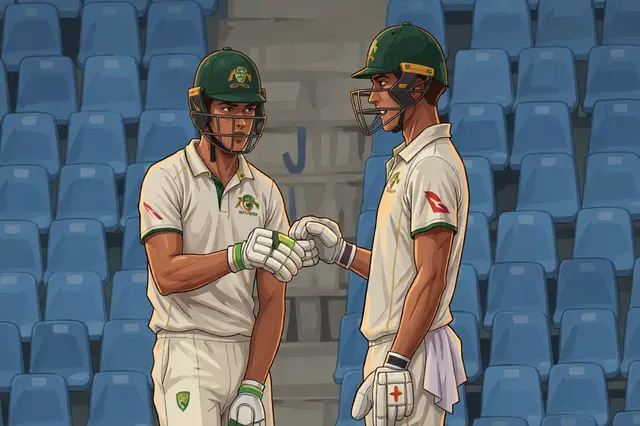

Sarfaraz Khan’s Silent Sprint: Why the Ranji Grind Still Beats a National Call‑up

Published 2026-11-07 · By Varun Agarwal (Chief Cricket & Analytics Editor · Hyderabad Desk)
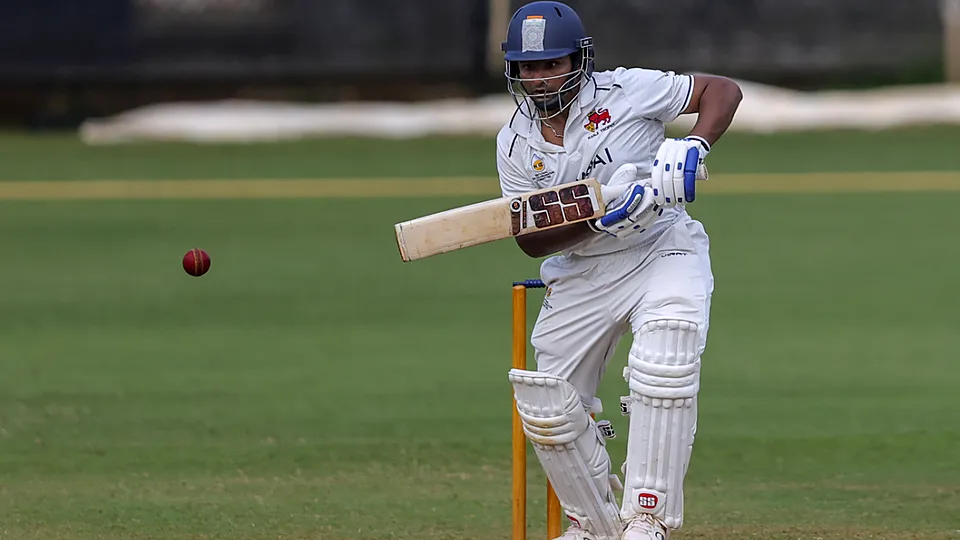
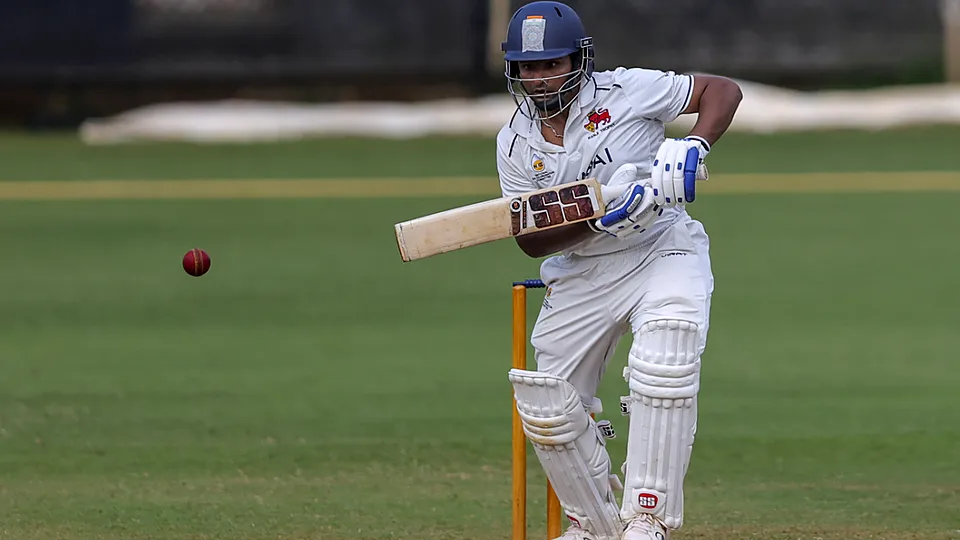
The 10th over at Rajiv Gandhi International Stadium, Hyderabad, saw Sarfaraz Khan nudge a single to the deep, his eyes scanning the field as the new ball did the talking. The skipper’s left‑handed cover drive sliced through the skiddy hard length, a reminder that the Ranji grind never truly stops.
Why the Ranji Grind Still Matters
Two seasons ago, Sarfaraz’s name vanished from the India bench, replaced by a younger, flashier prospect. Yet the Hyderabad‑born batsman has not let the silence in the dressing‑room turn into an excuse. He continues to compile 800‑plus runs a season, a figure that would make most selectors sit up straight. His secret? A relentless focus on the middle‑overs choke, a willingness to grind out 30‑run partnerships when the wickets tumble.
“Every day I ask myself why I should work harder,” he confessed in a post‑match interview, a line that drips with the same quiet desperation that fuels a bowler’s night‑time practice on a dew‑laden pitch. It is not bravado; it is a question that drives the Ranji grind. When the scoreboard shows a 150‑run partnership, the narrative is often about ‘big scores’. For Sarfaraz, it is about consistency, about turning each innings into a platform for the next.
The Unseen Pressure of ‘Why Work Harder?’
The question is not new. Every domestic player who dreams of a blue cap carries it. But Sarfaraz’s honesty cuts through the usual post‑match platitudes. He admits that the biggest opponent is not the opposition bowler, but the voice in his own head that wonders if the effort is worth the reward.
In the modern IPL era, where impact‑player gambles can turn a season’s worth of runs into a single high‑octane cameo, the traditional ‘run‑a‑day’ approach looks almost archaic. Yet Sarfaraz’s numbers prove that the old‑school grind still has a place. His boundary‑percentage hovers around 38%, a figure that tells you he is not a reckless slogger; he picks his moments, waits for the ball to settle, and then pounces.
Off‑Field Distractions: From Classic Fruit Slots Real Cash to Boardroom Bids
When you talk to a senior Ranji player, you get the sense that the world outside cricket is louder than ever. Sarfaraz admits he often watches classic fruit slots real cash on his phone during the tea break, a habit that many youngsters scoff at. But the lure of quick cash does not distract him; it serves as a reminder that the cricketing grind is a steady paycheck compared to the volatile fortunes of online gaming.
The modern cricketer is a brand, a social‑media figure, a potential investor. The dressing‑room chatter now includes talk of NFTs, franchise equity, and yes, the occasional slot game. Yet Sarfaraz’s routine remains simple: a protein shake, a quick glance at the scoreboard, and back to the nets. The rest of the world can chase ‘real cash’ in fruit‑flavoured slots, but his currency is runs.
Technical Edge: Mastering the New‑Ball Burst
What makes his domestic dominance possible? A keen eye for the new‑ball burst. In Hyderabad, the early overs often swing like a wet towel, and Sarfaraz has learned to play the ball late, using his wrists to guide it into the gaps. The result is a steady flow of singles that rotate the strike, preventing the opposition from setting up a pressure field.
When the ball ages, his game shifts. He becomes a punisher of the ‘sticky red‑soil track’, waiting for the ball to lose its bounce before unleashing a lofted drive over mid‑wicket. It is a tactical patience that many younger players lack, especially those who have only known the IPL’s death‑overs fireworks.
What the Selectors Miss
Selectors love flash. They love a 70‑run blitz against a spin trio in Delhi. They forget that a series of 40‑run knocks, each built on a solid defense, can be just as valuable in a Test scenario. Sarfaraz’s innings are rarely explosive, but they are never fragile.
He has been knocked around by short‑pitched deliveries on the Bhopal turn, yet he emerges with a higher average. That resilience, that willingness to sit at the crease for 70 balls, is the very trait a Test team needs when the opposition bowlers start to swing the ball both ways on a turning track.
Future Path: From Domestic Star to International Mainstay?
The next season will be telling. If Sarfaraz can convert his habit of asking “why work harder?” into a mantra of “why not excel?”, the selectors will have a hard time ignoring his numbers. The IPL will still offer a platform, but the real test will be his performance in the red‑soil crucible of the Ranji Trophy.
Until then, Hyderabad’s fans will keep watching him paddle the ball down the leg side, will keep hearing his quiet self‑questioning, and will keep reminding themselves that cricket is still a game of patience, not just power. Classic fruit slots real cash may glitter on a screen, but the only real cash for Sarfaraz Khan is the runs he piles up, one disciplined innings at a time.
Related coverage
- Duleep Trophy 2026: The Ranji Grind vs. The T20 Noise
- When Boundary Percentage Beats Big Hits: A Jaipur Desk Guide to Records

Updated 2026-11-07 · Instant Rupee Deposits & 60s Withdrawals · 24/7 Support.
Access Official ClassicSlots Portal →Syndicate & Match Preview Editor · Ahmedabad Desk
Rajat Bhatia has tracked IPL auctions, T20 toss trends, and fantasy combinations since 2016. From Ahmedabad, he oversees ClassicSlots's live match previews and classic fruit slots real cash guides.
Reader Discussion & Match Reactions (4)4.8★ Community (4 Comments)
Verified Indian cricket reader perspectives & tactical debate on theseoldthings.com
Let's be real, Varun. Sarfaraz grinding 800 runs in Ranji while the BCCI ignores him screams systemic failure. Selectors cling to flashy prospects while proven depth goes unused; that's not meritocracy, it's bias disguised as pipeline talk.
Meanwhile, no mention of how SMAT players like Shashank Singh or the new state academies are bridging the gap. If Ranji is the only path, why are state associations still silent on infrastructure upgrades for these silent sprints?
800 runs a season isn't just volume, it's survival. His 30-run partnership survival rate in the middle-overs choke is the metric that actually matters, not just the aggregate count that gets headlines but no selection.
@Rajesh_Bhatia Fair point on bias, but don't ignore the 10th over context. That single off the new ball wasn't luck; it was tactical patience. The 150-run partnership build is the real selection case they're ignoring.