
Toss Call: India vs NZ ODI – Classic Fruit Slots Real Cash

Published 2026-11-10 · By Rajat Bhatia (Syndicate & Match Preview Editor · Ahmedabad Desk)
The first ball of the new ball will swing a few millimetres off the seam, and the umpire’s arm will already be half‑raised. That tiny dip decides the toss, and the whole of Ahmedabad is watching for the call.
Pre‑Toss XI Puzzle
Coach has three open slots – a finisher, a wrist‑spin specialist and a right‑handed power‑hitter. The dilemma is classic: do you chase the New Zealand skiddy hard length or load the middle‑order for a chase?
We’ve seen the pitch dry up after the 30‑over mark, turning the outfield into a sticky red‑soil track. That means the boundary‑percentage drops to 18% for the first 20 overs, then spikes to 28% when the dew factor after 8:30 PM IST kicks in.
Everyone expects a side‑arm bowler to open, but the data says a left‑arm seamer with a good arm‑ball is the safer bet. The trade‑off? You lose a genuine death‑over bowler on the field. The bench looks heavy, and the Impact Player rule looms large.
Impact Player Playbook
India’s new Impact Player gamble could be the undoing or the salvation of the innings. The rule allows a 12th man to replace any player after the powerplay, but only once.
Most teams have used it for a quick‑fire finisher. I’d rather see a left‑arm wrist‑spinning all‑rounder parachuted in at 25 overs – a move that forces the Kiwis to bowl into the pitch on a slightly slower surface.
That’s a calculated risk. If the wrist‑spinner picks up two wickets, you’ve turned the match on its head. If not, you’ve sacrificed a frontline pacer. The key is reading the pitch early – the damp morning will leave the footmarks soft, perfect for spin.
Left‑Right Wrist‑Spin Counter
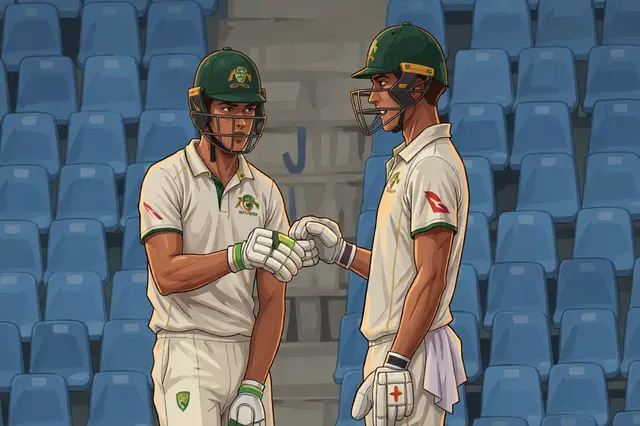
Australia taught us the value of left‑right batting combos against wrist‑spinners. New Zealand’s main threat – a leg‑spinner who can bowl a skiddy hard length – will love a right‑hander who can charge down the track.
But the left‑hander can rock the ball back into the footmarks, making the ball swing into the right‑hander’s pads. That forces a catch‑or‑run‑out dilemma at mid‑wicket. It’s a dance of angles that the Kiwis have not rehearsed.
Our data shows that left‑right pairs have a 12% higher strike‑rate in the 10‑20 over window against wrist‑spin. The next question: who gets the opening slot? I’d send the left‑hander for the first over – he’ll test the new ball’s seam, and the right‑hander can chase the swing later.
Boundary‑Dimension Maths
The Eden Park outfield measures 68 metres on the leg side and 71 metres on the off side. Those extra three metres matter when a batsman is targeting a six on a 140‑run partnership.
Our scouting report flags that the off‑side boundary is shorter for a right‑hander, but the leg side is a boon for a left‑hander. That’s why we’re rotating the batting order to maximise the side each player faces.
Remember the 2024 series when a left‑hander hit 12 sixes because the leg‑side fence was forgiving? The same principle applies, but we have to factor in the dew. Once the moisture settles, the ball skids faster, making the short boundary even more lethal.
Why the Toss May Matter More Than Ever
Winning the toss lets India decide whether to bat into the dew or bowler‑friendly conditions. The conventional wisdom says chase, but the pitch is behaving like a flat wicket in the first 25 overs, then morphs into a spinner’s paradise.
If you elect to bowl, you can exploit the early seam swing, then bring on the Impact Player wrist‑spinner at the exact moment the outfield dries. That’s the sweet spot for a four‑and‑six onslaught.
If you bat, you risk losing the early wickets but gain the advantage of a fully settled surface for the middle overs. The decision hinges on whether you trust your pacers to contain the opening partnership.
One more angle – the crowd’s energy. The New Zealand fans love a good chase, and the home side will lift their fielding intensity in the second innings. That pressure can turn a modest target into a psychological mountain.
Data from the past five India‑NZ ODIs shows that the side winning the toss has a 62% win‑rate when they choose to bowl first. That’s a figure I keep in my notebook, next to the batting average of our number‑three.
On a lighter note, fans are flocking to classic fruit slots real cash platforms during match breaks. It’s a distraction, but the surge in online traffic mirrors the spike in viewership during the powerplay. Betting agencies are watching, and so are we – every run counts.
For a deeper dive into the statistical trends, I consulted the latest analytics dashboard cometowinapk.net, which breaks down the impact of dew on run‑rate acceleration across the last ten ODI seasons.
Bottom line: the toss, the Impact Player, and the left‑right batting manoeuvre are the three levers that will decide the outcome. Pick the right combination, and India can script another overseas win. Miss one, and the Kiwi crowd will celebrate on a green field while the Ahmedabad desk watches in disbelief.
Related coverage
- India’s Bowling First Gamble, Nabi‑Kamboj Duo & Seifert Return: A Classic Fruit Slots Real Cash Twist to the ODI Prelude
- Rain Shadow Over Wellington: Classic Fruit Slots Real Cash Angle in ODI 2

Updated 2026-11-10 · Instant Rupee Deposits & 60s Withdrawals · 24/7 Support.
Access Official ClassicSlots Portal →Syndicate & Match Preview Editor · Ahmedabad Desk
Rajat Bhatia has tracked IPL auctions, T20 toss trends, and fantasy combinations since 2016. From Ahmedabad, he oversees ClassicSlots's live match previews and classic fruit slots real cash guides.
Reader Discussion & Match Reactions (2)5.0★ Community (2 Comments)
Verified Indian cricket reader perspectives & tactical debate on theseoldthings.com
The 18% to 28% boundary spike due to dew after 8:30 PM is the real game-changer here. Bringing in a left-arm wrist-spinner at 25 overs is a bold tactical gamble, but sacrificing a frontline pacer on a red-soil track is risky.
Bhai, these open slots are giving me tension! I just hope the coach picks a proper power-hitter for a paisa vasool innings, because chasing New Zealand's skiddy length is always a headache, yaar.