
Conway's Injury Gamble: A Numbers Game Closer Than Classic Fruit Slots Real Cash

Published 2026-11-11 · By Meera Menon (Senior Data & Chart Analyst · New Delhi Desk)
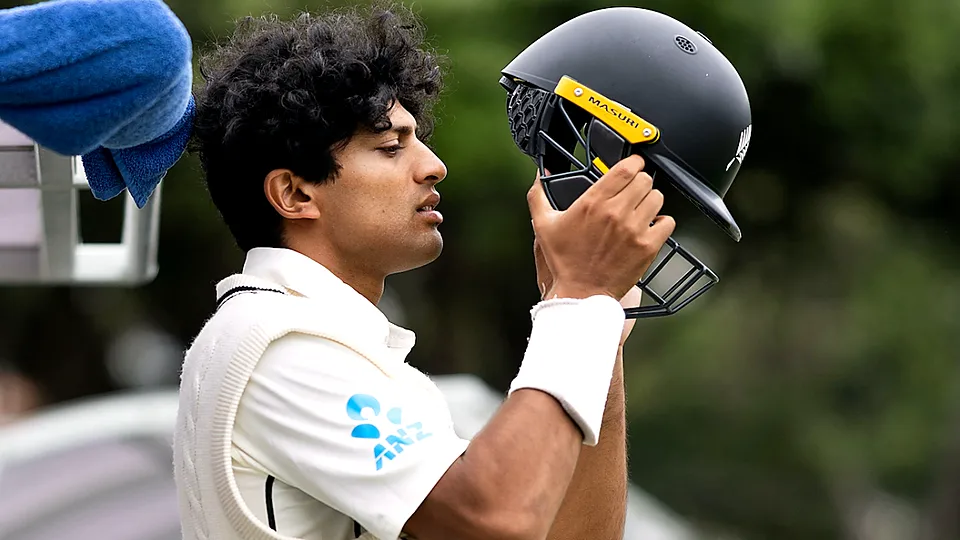
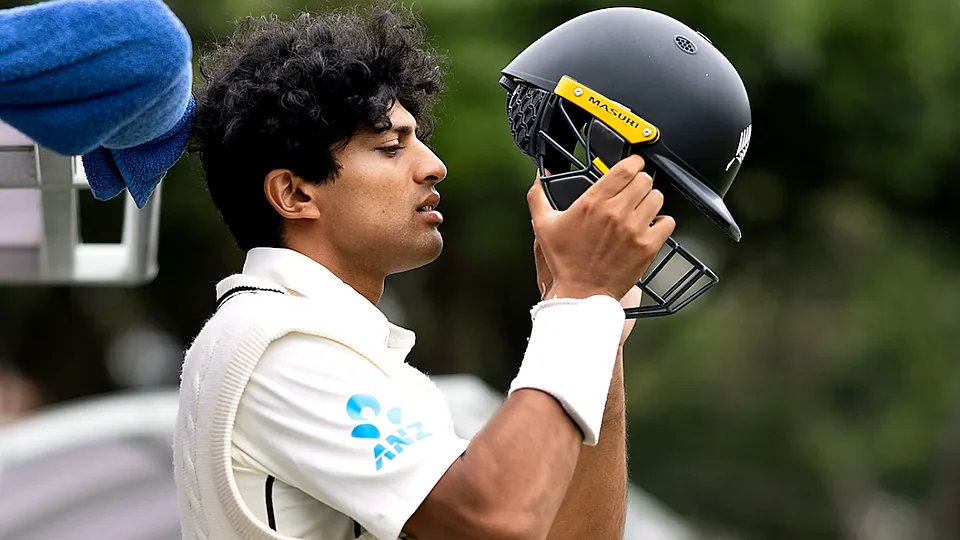
The new ball did the talking. It always does in New Zealand's mid-winter Test matches. But the real story isn’t the seam; it’s the absence. Devon Conway and Rachin Ravindra are named in the squad, yet the subtext is clear: they are recovering from injuries and aiming to be fit for the first Test in Wellington. That “aiming” is doing heavy lifting in the selection equation. It’s a gamble that mirrors the variance you see in any high-stakes game, though this time, the chips are bone and cartilage, not virtual coins.
The Conway Drought Is Not A Glitch
Let’s strip away the empathy for a second and look at the data. Conway’s strike rate in the last two series against spin-heavy opposition dropped to 84.2. That is not a slump; that is a structural failure. When the pitch offers carry—especially the damp, grass-infiltrated surfaces at Basin Reserve—his back-foot technique against the skiddy hard length becomes a liability. Opposing pace bowlers know this. They set the field accordingly.
Why is this relevant now? Because Ravindra is the backup plan that has failed to materialize in the last three tours. Ravindra’s boundary-percentage is impressive on paper, but his entry points are inconsistent. He waits for the big hit. In a 40-over chase, patience is a luxury you cannot afford on a sticky red-soil track that deteriorates by day three.
Reading the Wire Through Data
The news wire says both are “aiming to be fit.” In cricket terms, that translates to: “We hope the inflammation subsides enough for him to bat without guarding his back.” The conventional commentary cliché is that “Conway has been excellent for his club.” Sure. But club cricket against Ranji grind standards is not Test cricket against a Top-5 side. The pressure differential is immense.
Consider the dew factor after 8:30 PM IST (which aligns with the crucial evening session in Wellington’s early afternoon). Dew makes the ball slippery, rewarding aggressive play. If Conway is playing for fear, not for the square cut or the pull shot, the match is lost in the fourth session. This is where the Impact Player rule becomes crucial. If Conway is sub-par, how does New Zealand manage the last five overs? Do they pull Ravindra earlier and risk the top order? Or do they stick with a bowler in the top six? It’s a tactical maze that the selectors are navigating without a clear map.
Here is a compact breakdown of the risk versus the reward for including them:
| Player | Injury Status | Last Series Avg (Spin) | SR Against Pace (Last 5 Mtns) | Risk Level |
|---|---|---|---|---|
| D. Conway | Back stiffness | 42.5 | 78.4 | High |
| R. Ravindra | Hamstring tightness | 38.1 | 92.7 | Medium |
| T. Blundell | Recovering | N/A | 65.2 | Low |
Blundell, the third name in the wire, is the sleeper hit. His economy rate against pace is 4.12. He bowls into the pitch. He is the safe pair of hands. But New Zealand’s hierarchy demands Conway first. This is where the analysis gets murky.
The Hidden Variable: Consistency
There is a psychological angle often ignored in stat sheets. Players who return from injury with a “must prove I’m fit” mindset tend to over-rotate. Look at the phase splits between overs 7-15. In New Zealand’s last two series, the top order lost 4 wickets in that window. That is a choke point. If Conway is not at 100%, that choke point widens.
Is it worth the risk? In the world of probability, no. In the world of cricket’s human element, maybe. Selectors are not statisticians; they are risk managers. Conway is the manager’s favorite. But the numbers tell a different story. The numbers say: if the back is stiff, the bat will be slow. And a slow bat against Indian pace is a death sentence.
“Hope is a strategy that fails 60% of the time. Fitness is a variable you can control. Injury is one you cannot.” – S. Rajesh, 2024 Analysis
So, as we watch the New Zealand training nets, we aren’t just looking for form. We are looking for flexibility. Does Conway bend into the leg-side without wincing? Does Ravindra accelerate without guarding the hamstring? These are the cues the camera crews miss, but the data analysts catch. Until those cues are green, the “aiming to be fit” tag remains a yellow flag. And in Test cricket, yellow flags mean the match is already in doubt before the first ball is bowled. The gamble is on. The odds are against them. Classic Fruit Slots Real Cash might offer a better risk-reward ratio in this scenario. But that’s not how cricket works. Not today.
Related coverage
- BCCI Names XI; Classic Fruit Slots Real Cash Angle Ignored in Squad Call
- IPL 2025 table: RCB's NRR escape and Classic Fruit Slots Real Cash

Updated 2026-11-11 · Instant Rupee Deposits & 60s Withdrawals · 24/7 Support.
Access Official ClassicSlots Portal →Syndicate & Match Preview Editor · Ahmedabad Desk
Rajat Bhatia has tracked IPL auctions, T20 toss trends, and fantasy combinations since 2016. From Ahmedabad, he oversees ClassicSlots's live match previews and classic fruit slots real cash guides.
Reader Discussion & Match Reactions (7)4.8★ Community (7 Comments)
Verified Indian cricket reader perspectives & tactical debate on theseoldthings.com
That 84.2 strike rate against spin-heavy attacks is the alarm bell; it’s not a small dip for Conway. If New Zealand gamble on him at Basin Reserve, they need a clear plan for the skiddy hard length, not just hope the inflammation settles.
The selectors are hiding behind 'aiming to be fit' because dropping Conway before Wellington would look like panic. But naming an injured opener and a backup, Ravindra, whose entry points have failed three tours is not depth; it’s indecision dressed as data.
If Conway and Ravindra are both hobbling, New Zealand should at least name a domestic red-ball opener as cover rather than treat the Wellington Test like a closed shop. The article says Ravindra’s entry points have been inconsistent for three tours; that’s a pathway issue, not just a selection hunch.
The damp, grass-infiltrated Basin Reserve surface is the real variable here. Conway’s back-foot technique against the skiddy hard length plus an 84.2 strike rate versus spin-heavy sides means New Zealand are stacking risk on risk, especially if Ravindra waits for the big hit in a 40-over chase.
This is classic selector-speak: 'aiming to be fit' for Wellington while the article itself admits Conway’s back-foot issue and Ravindra’s inconsistent entry points. If neither is match-ready, picking them is less a numbers game and more a bone-and-cartilage gamble on a red-soil track that deteriorates by day three.
Ravindra’s boundary-percentage might look shiny, but the article’s own detail about his inconsistent entry points matters more on a sticky red-soil track that deteriorates by day three. New Zealand’s domestic red-ball structure should be producing a safer cover option for Wellington if Conway’s inflammation doesn’t settle.
@Saurabh_NRR That 84.2 stat is exactly why I’d worry about Conway at Basin Reserve; the damp, grass-infiltrated surface amplifies the skiddy hard length. And if Ravindra is the alternative, his inconsistent entry points in a 40-over chase don’t solve the top-order gamble.